
How to Run a Race Night: Fundraiser Guide
How to run a race night is simple — and it can raise hundreds or even thousands for your cause. In this guide, you’ll discover exactly how to plan, promote, and run a successful fundraising event with Race Night Services. If you’re looking for a structured, professional solution, view our Professional Race Night Company page.
Is a Race Night Legal?
Yes — as long as it’s run for a good cause, not personal profit. In other words, you must donate the proceeds to a worthy cause such as:
- a school PTA
- a local sports club
- a medical appeal
- a registered charity
You can deduct reasonable expenses such as venue hire, prizes, or your race night pack. To comply with regulations, keep two rules in mind:
- Don’t show race details (like the form guide) until betting has closed.
- You cannot publish odds before a race begins.
Why Run a Race Night?
Groups regularly raise hundreds — sometimes thousands — in a single evening. Some are delighted to reach £500, while others comfortably exceed £2,000. The difference usually depends on preparation and how many ways to raise money you include.
Not only can you collect money on the night, but you can also raise funds in the run-up to the event through ticket sales, sponsorship, and advertising.
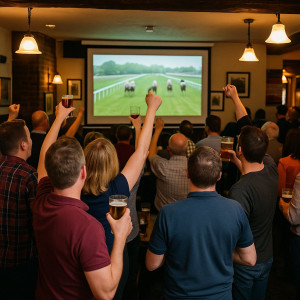
How to Run a Race Night: Pre-Event Fundraising Ideas
Entrance Tickets
Tickets provide an easy source of income before the event begins. Some supporters buy them as a donation even if they can’t attend. Keep pricing reasonable to encourage more sales.
Race Sponsorship
Invite local businesses or individuals to sponsor races, just like at a real racecourse. Example:
Race One – The Rowlands Newsagents Chase
Rowlands donate £25, get a mention in the race card, and receive a shout-out on the microphone. At £25 per sponsor over eight races, this means you raise £200.

Horse Owners
Each horse can be “sold” to an owner. Owners may even suggest funny names, which makes the betting more entertaining. Selling all eight horses in a race at £5 each raises £40. Over eight races, that’s £320. Give each winning owner a prize and ask local businesses to donate them.
Jockeys
Jockey slots are cheaper (often £3) and get more people involved. Provide small prizes for the winners.

Race Card Advertising
You can raise funds by selling adverts in the race card alongside sponsors, owners, and jockeys. At £15 per advert, ten placements would add another £150. You can often print race cards at home, or ask a local printer to make them look professional in exchange for free advertising space.
Is This Your First Time Running a Race Night? Keep It Simple
You don’t need to use every idea in this guide. Some groups keep things simple by just running the betting on the night and giving the money to their chosen cause. It really depends on how much time and effort you want to put in, and what level of fundraising you’re aiming for. The most reliable way to maximise your total is to sell horse owners and jockeys in the weeks leading up to the event. Sponsorships and programme advertising can also boost your income but they’re not essential. If you’re planning your first event, NCVO provides basic advice on organising fundraising events.
On-the-Night Fundraising: How to Run a Race Night Successfully
Above all, the main way to raise funds is from selling tote betting tickets. This may seem daunting for beginners, but it’s actually very simple once you know the process.
How the Betting Works
- Sell tickets for either £1 or £2 each.
- Sell them one race at a time, using a different colour for each race to avoid confusion.
- For every 25 guests, aim for one ticket seller.
For example, if you sell 90 tickets for a race, that’s £90 collected. £45 goes to the fundraising pot, while the other £45 is shared between the winners. If ten tickets are on the winning horse, each is worth £4.50. If only three tickets win, each is worth £15.
Important: To keep things simple, pay out to winning tickets only. Don’t pay second or third places.

Betting Odds When You Run a Race Night Fundraiser
In traditional horse racing, odds are shown as fractions like 2/1 or 10/1. The favourite (the horse most likely to win) will always have shorter odds than the outsider.
With a fundraising race night, you can’t set odds in advance because the form guide is only shown after the betting has closed. Instead, you can explain to your audience:
- The favourite is the horse that has sold the most tickets.
- The outsider is the horse with the fewest bets.
This way, guests still get a sense of which horse is most popular without publishing official odds.
Legal Compliance When You Run a Race Night
Once betting closes, ask an audience member to select the next race from the DVD menu. This ensures fairness and compliance. Only after betting ends can you reveal which horse is the ‘favourite’ and which is the ‘outsider’; in this way, the process stays fair.
Optional Extras
Auction Race
Many groups auction the final race to add excitement. The auctioneer invites the audience to bid on each horse. Then, split the proceeds 50/50 between the winner and the fundraising pot. Alternatively, if someone donates a prize, you can put 100% of the proceeds into the fundraising pot.
Top Tip: Collect all auction money before the race begins. Afterwards, reopen betting — the buzz often boosts sales.
Advertising & Promotion
Make use of the posters and printable templates provided in your race night kit. Place them around your community and share details widely on social media. Clear promotion will increase turnout and donations.
Summary
By combining pre-event fundraising with on-the-night activities, you can significantly boost your total. The key is planning ahead and tailoring the activities to what your group can manage; above all, keep it achievable.
Follow this guide and you’ll create an evening that not only raises money but also provides great entertainment for everyone involved.
The Legal Fine Print
- A race night is a fundraising event where people place bets on the outcome of pre-recorded races.
- After deducting reasonable costs, you must give the proceeds to a good cause and never use them for private gain.
- If third parties sell their own goods (e.g. refreshments), that money does not count as part of the fundraising total, so the seller keeps it.
If you have any further questions, you can either visit our FAQ page or email [email protected] and we’ll be happy to help.